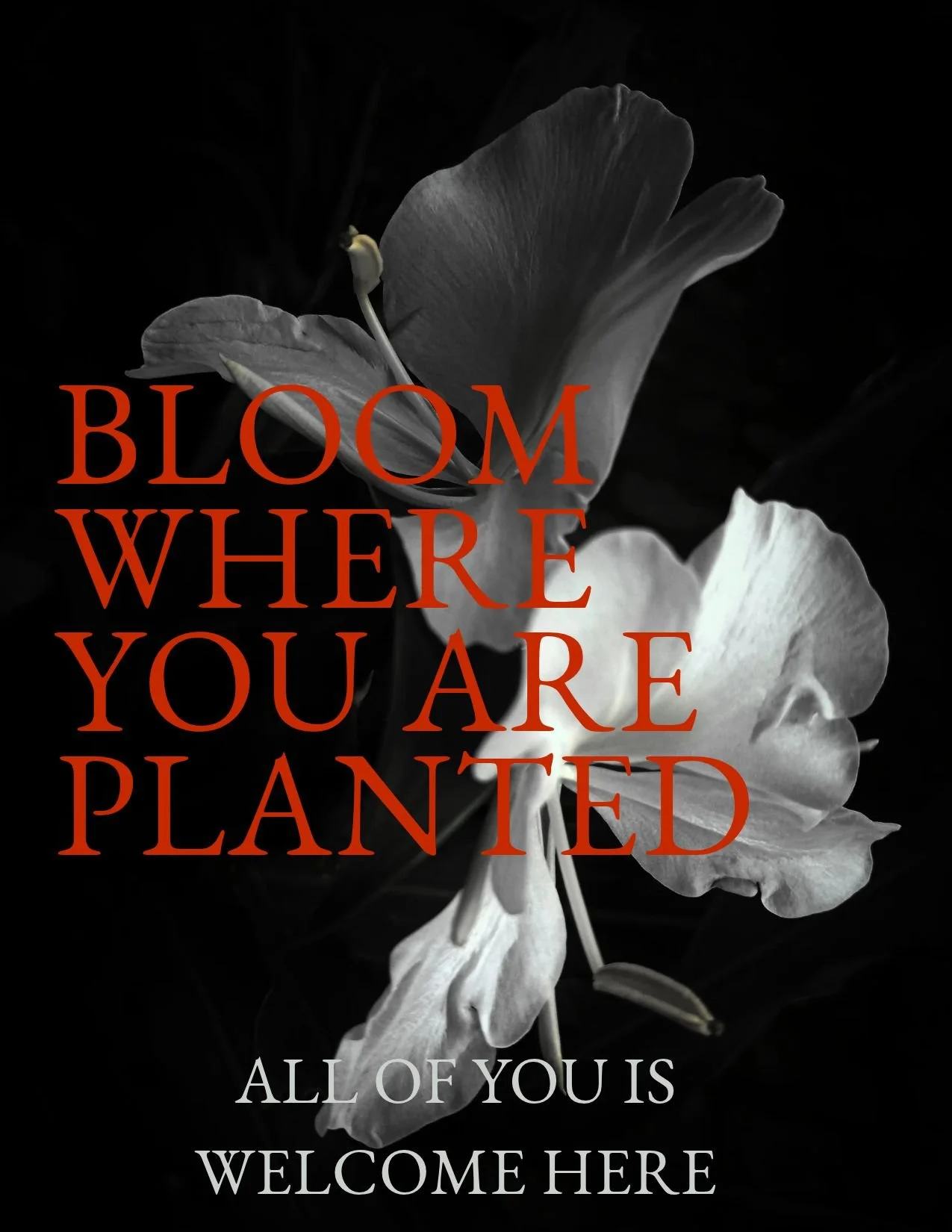
Death Club Inclusivity Statement
Death Club is for everyone and inclusive of all identities. We strive to create a safe space for expression and connection, and to help each participant develop an end-of-life plan that reflects their individual needs and desires and incorporates the elements that are important to them, be they philosophical, spiritual, religious, racial, ethnic, cultural, ancestral, or none of the above. Your whole self is welcome, and all are asked to arrive with a spirit of openness and nonjudgment to foster a supportive and positive learning environment.
Both Beth (she/her) and Marti (she/her) are part of the LGBTQ community and are parents to trans and nonbinary adult children. Firsthand experiences and stories told at home feed the awareness of the need for dignity, empowerment, empathy, and protection for our queer community. Whether that be at home, in the hospital, before or after death, Beth and Marti both know everyone deserves to be respected
We both approach our work in a trauma-informed way and through the lens of social change and social justice, with the inherent worth and dignity of every person at the forefront.
Death Club is explicitly welcoming to all regardless of: age, background, size, race, culture, ethnicity, nationality, immigration status, religion, spirituality, belief or nonbelief, political belief or affiliation, sex, gender identity and expression, sexual orientation, marital status, monogamy, polyamory, socioeconomic status, disability, caregiver status, veteran status.
We apologize that the second floor of the historic building we are meeting in is only accessible by stairs. There were many considerations we had to explore in our location search. If you are interested in participating in a virtual Death Club cohort, please let us know; we are open to it if there is enough interest.
There are several single-stall, all gender bathrooms located throughout People House.